
My last few posts have been about Kitchener’s first drinking water system and Waterloo’s first drinking water system. Today I’d like to share Cambridge’s story.
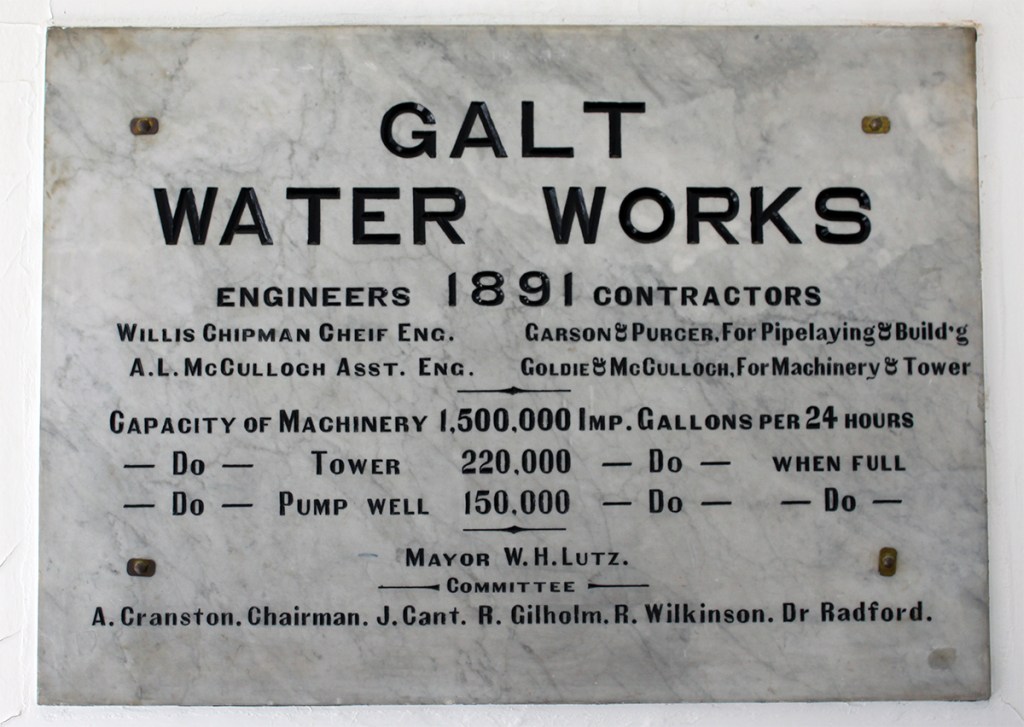
Galt (now part of Cambridge) was the first community in Waterloo Region to have a publicity owned waterworks. Galt – like many communities – wanted a waterworks for fire protection, but also to compete with nearby Berlin (now Kitchener) for industry and residents.
The year is 1888 and after much debate in the community, Galt votes down – 2 to 1 – having a public waterworks. However, in 1890 a bylaw is passed and a construction contract signed to build a water pumping station on Middleton Street.
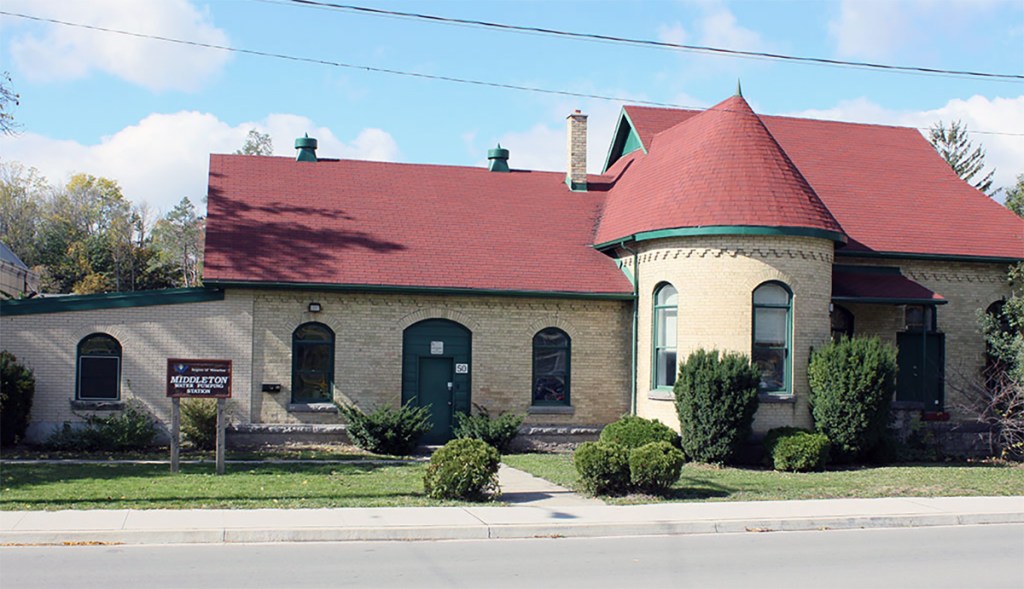
Even though Middleton Water Pumping Station is built along the Grand River, the river is not an option for a water source. The river has very low flow sometimes because control dams have not yet been constructed to control water levels. Water quality for the Grand River is also poor due to contamination from industrial discharges including dyes from nearby garment factories.
So instead of accessing water from the Grand River, water is redirected from nearby springs. In 1895, the source switches to groundwater when the first well is drilled and constructed. The following year in 1896 a second well is built. Today, there are still operating wells in the same location, and it is very likely that they are the same wells; open holes drilled into the deeper fractured rock and sealed through the shallow rock to protect the deeper water quality.
In 1902, the long low section of the Middleton Water Pumping Station is the reservoir. This reservoir has since been removed but the north wall of the pumping station still shows the marks of the building.

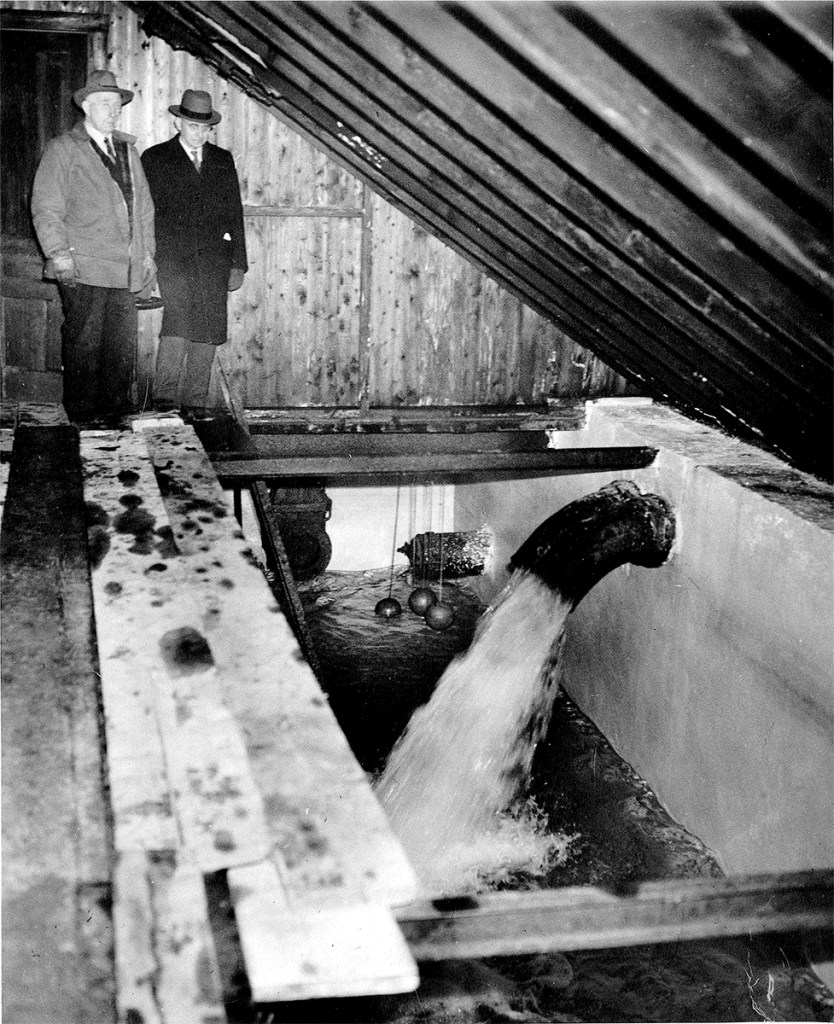
In 1973, when Galt, Hespeler and Preston amalgamate to form Cambridge, the water works, including the Middleton Water Pumping Station, become the responsibility of the Regional Municipality of Waterloo.
In 1996, a new facility is built on the same five-acre lot to expand the capacity of the system to handle 20 million litres of water a day – six times the capacity of the original water works.
Today, all the water pumped at the Middleton Water Pumping Station is from five groundwater wells.

Historical timeline:
1850 – Galt incorporated.
1852 – Preston incorporated.
1859 – Hespeler incorporated.
1890 – Galt forms public water utility.
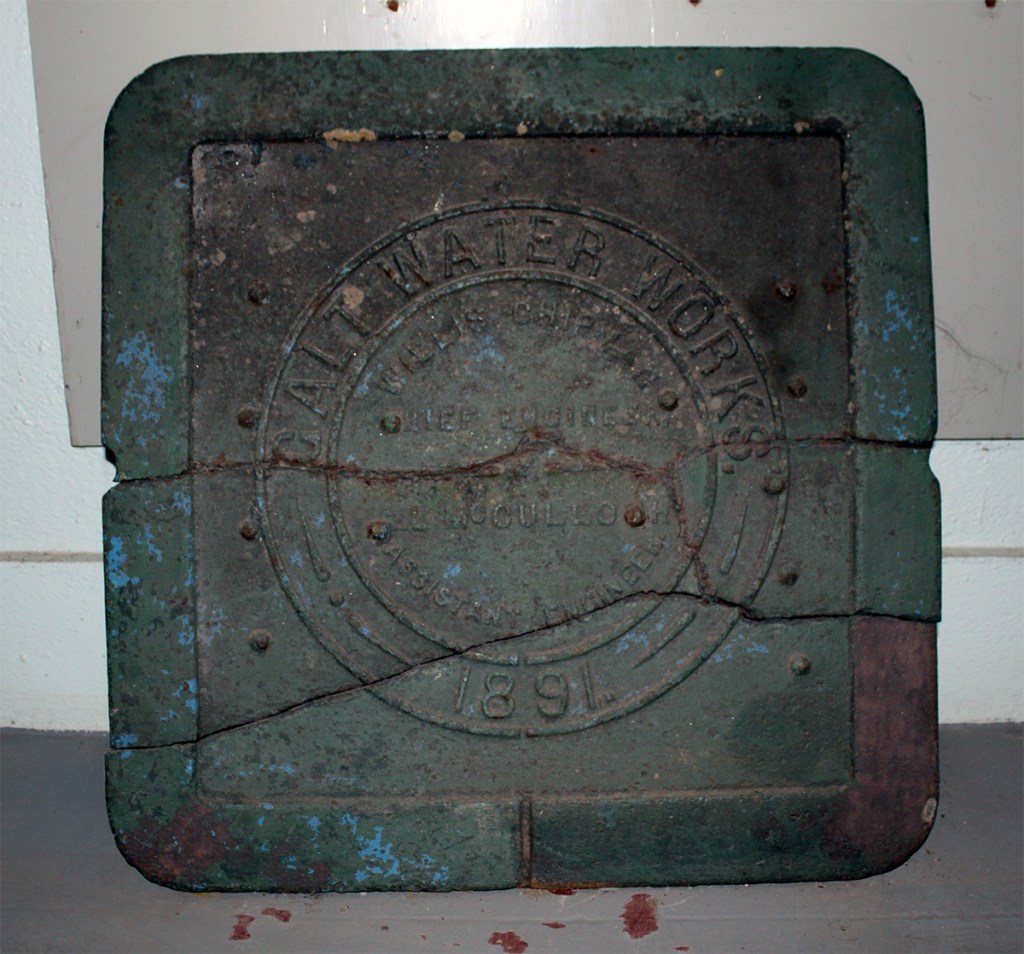
1890 – Middleton Water Pumping Station is built.
1891 – 977,000 litre capacity water tower at the height of 15 metres is built on St. Andrews Street in Galt. (2017: decommissioned)
1901 – all Galt services are metered to monitor water consumption.
1907 – Preston and Elmira start municipal waterworks.
1911 – First ban on lawn watering in Berlin and Preston due to water shortages.
1914 to 1919 – World War I slows expansion of municipal waterworks due to lack of labour and materials.
1915 – Hespeler passes bylaw for municipal waterworks.
1919 – Galt Public Utilities Commission promotes water conservation campaign.
1920 – Preston water services all billed meters.
1930 – Municipal water supplies area solely from groundwater wells.
1931 – Preston experiences water shortages; disconnects drinking water fountains and turns off water to horse troughs and obtains water from Galt.
1931 to 1934 – Government work programs during the Depression aid growth of water pipe network.
1939 to 1945 – World War II causes rising industrial water use, straining municipal supplies.
1949 – 3.4 million litre capacity water tower at a height of 18 metres is built on St. Andrews Street in Galt.
1950 – Preston Public Utilities Commission is formed.
1965 – Waterloo County Planning Area established.
1972 – 3.4 million litre capacity water tower at a height of 27 metres is built on Edward Street by Harvey Lane in Hespeler (1982: decommissioned).
1973 – Galt, Hespeler and Preston amalgamate to form Cambridge.
1973 – Region Municipality of Waterloo forms and assumes responsibility for the municipal drinking water supply.
1974 – First watermain swabbing is used to clean watermain pipes.
1974 – 2.2 million litre capacity water tower at a height of 34 metres is built on Preston Parkway in Cambridge (2009: decommissioned).
1978 – 2.2 million litre capacity water tower at a height of 32 metres is built on Dalkeith Drive in Cambridge.
1982 – 17 million litre capacity water tower at a height of 34 metres is built on Pinebush Road in Cambridge.
1992 – The Mannheim Water Treatment Plant begins purifying surface water from the Grand River for the municipal water supply.
1997 – City of Cambridge designates the Middleton Water Pumping Station as a heritage building for its architectural and historic value.
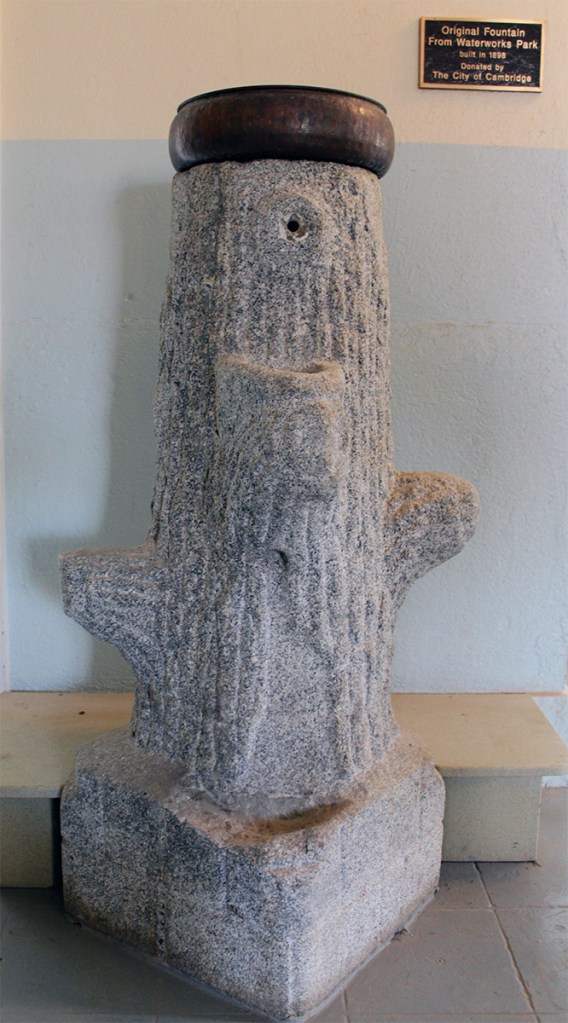
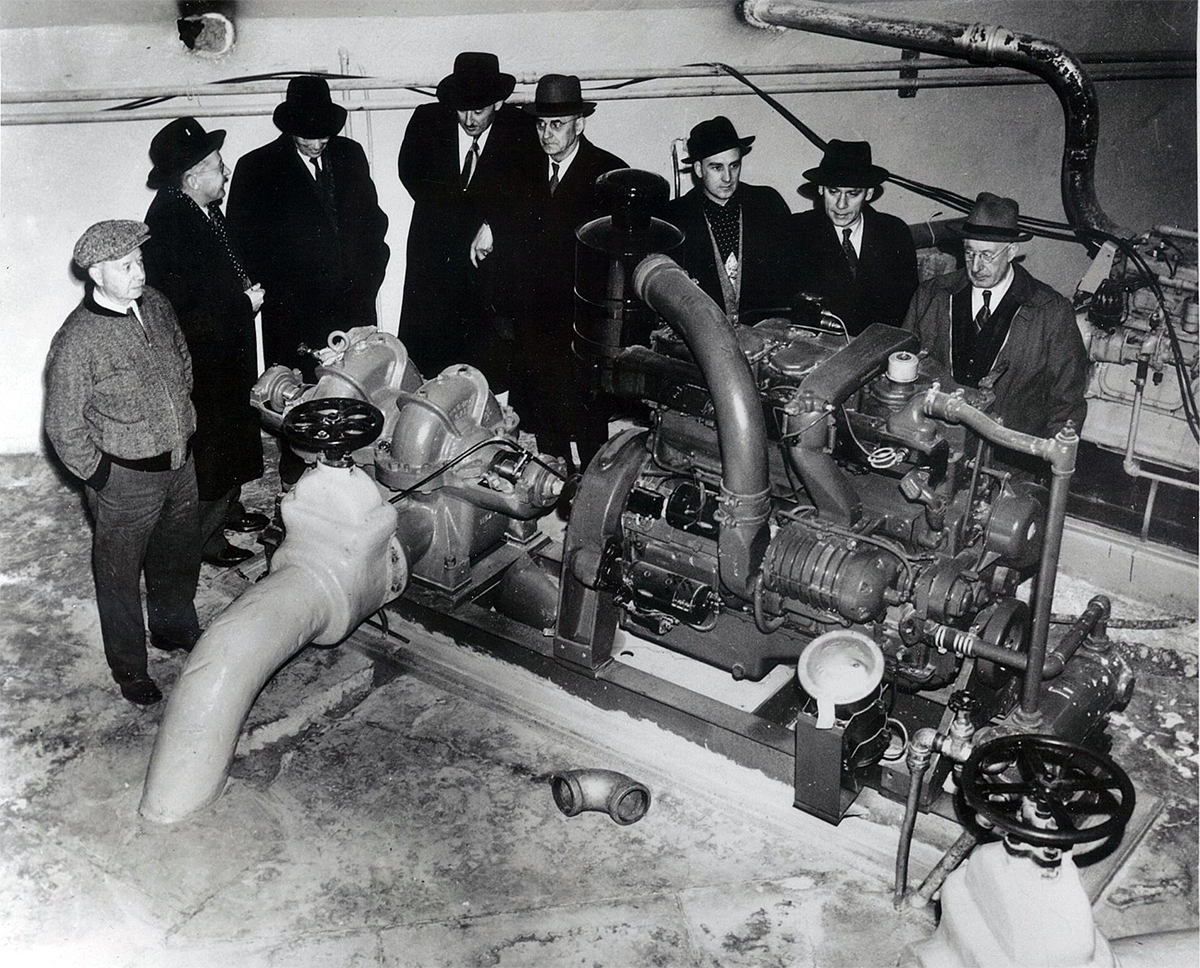
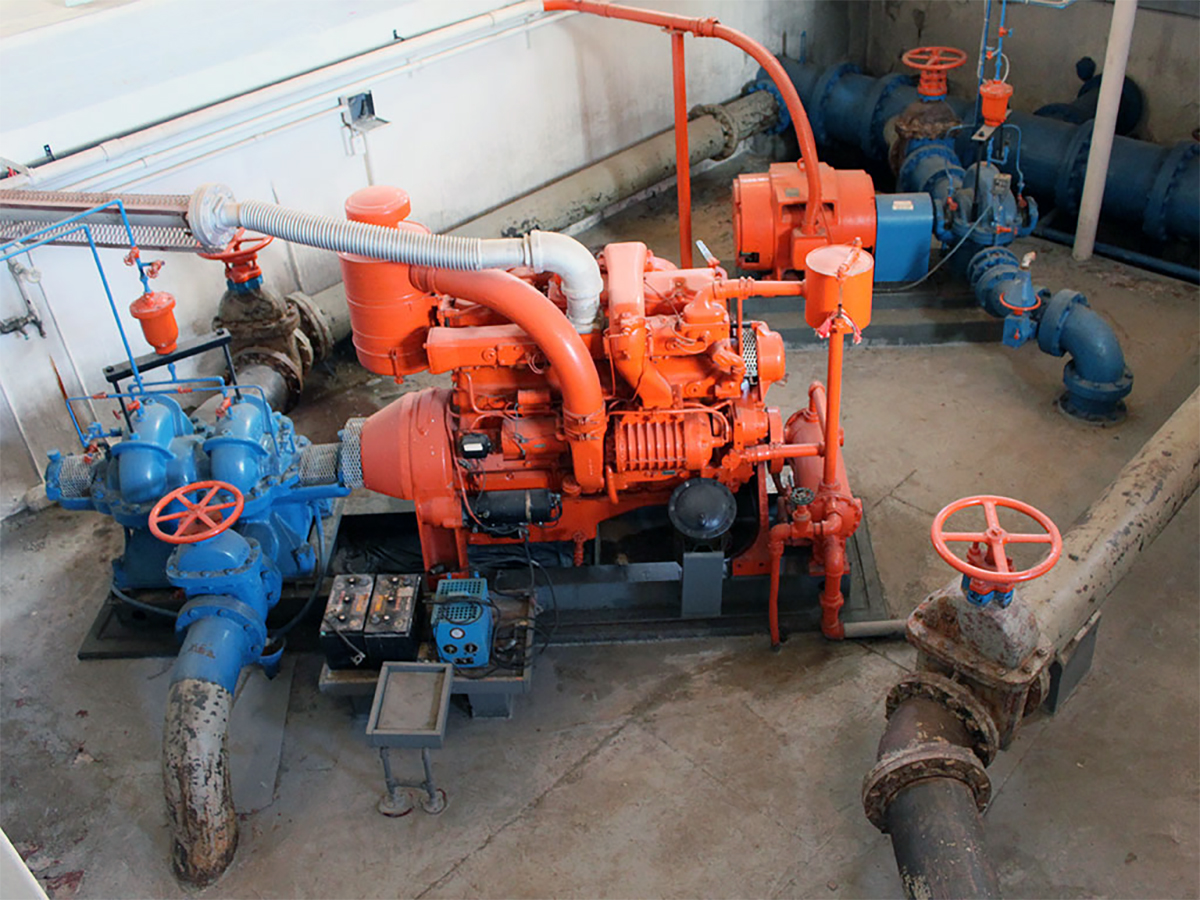
In 1890 the Galt Water Works began construction on the first water pumping station in Galt (now part of Cambridge) to supply water from a spring. Still in operation, the Middleton Pumping Station houses five wells. #WRhistory #iamgroundwaterblog
Tweet
Related posts:
 I am groundwater
One thought on “A look back in time – Cambridge’s first drinking water system”